You've built something people want. Revenue is climbing, your team is growing, and suddenly the software that got you here is holding you back. Sound familiar?
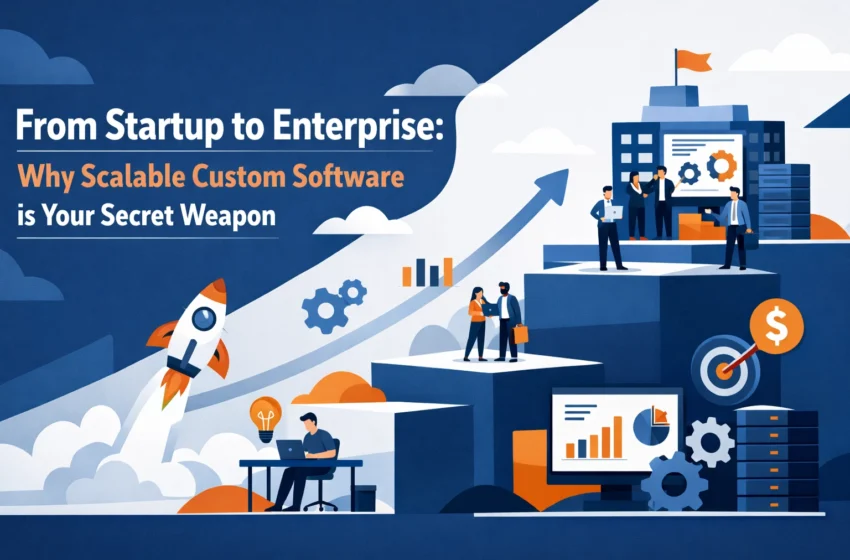
This is the inflection point where startups become enterprises, or stall out completely. The difference often comes down to one decision: whether you continue patching together off-the-shelf tools or invest in scalable custom software built specifically for your business.
Here's why the smartest growing businesses choose custom, and why your competitors might already be ahead.
The Growth Ceiling Nobody Talks About
Off-the-shelf software works brilliantly when you're small. It's quick to implement, predictable to budget for, and gets you operational fast. But here's what happens when you scale:
Your customer base doubles, then triples. Your team expands across departments and time zones. Your data volume explodes. Suddenly, that convenient SaaS platform starts cracking under pressure. Features you desperately need don't exist. Workflows require manual workarounds. Integration becomes a nightmare of APIs and middleware.
You're not alone. Research shows that 70% of fast-growing companies rely on custom software for scalability, because they've hit this exact wall and decided to break through it rather than settle.
Built for Growth from Day One
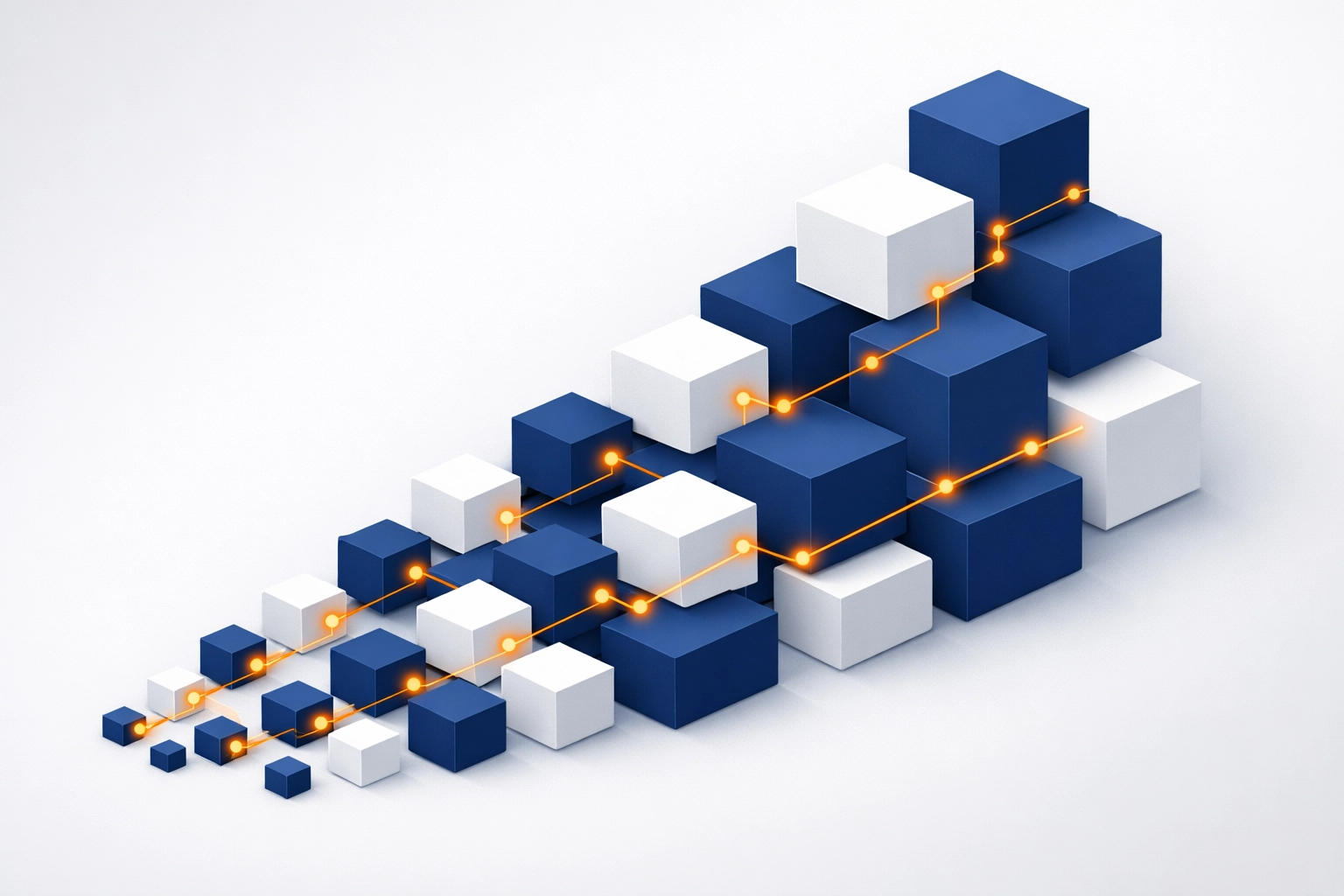
Bespoke software development isn't about building everything from scratch on a whim. It's about architecting systems with your future in mind. When you work with a custom web application development partner, you're designing software that scales seamlessly as your business evolves.
Think modular architecture. Think cloud-native infrastructure. Think systems designed to handle 10x your current user load without breaking a sweat.
The companies dominating their industries, Netflix, Amazon, Spotify, didn't scale globally on generic software. They built custom platforms tailored precisely to their business models and growth trajectories. While competitors struggled with off-the-shelf limitations, these enterprises moved fast because their technology moved with them.
The Real Economics of Custom Software
Let's address the elephant in the room: yes, custom software requires higher upfront investment. But here's what happens over time.
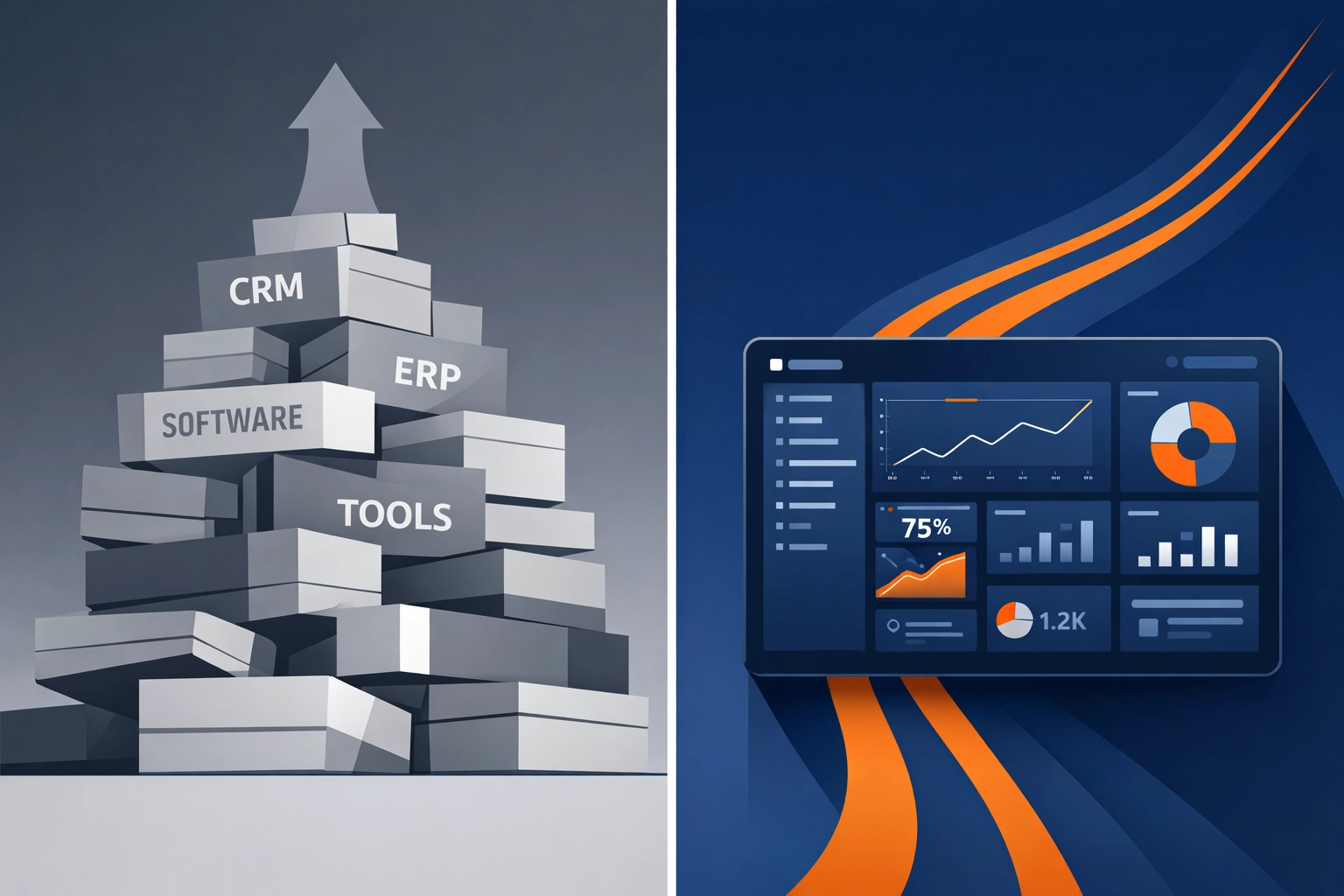
With off-the-shelf solutions, you're locked into perpetual licensing fees that increase as you add users. You're paying for dozens of features you'll never touch. You're forced into upgrades on the vendor's timeline, not yours. And when your business outgrows the platform? You're looking at expensive migration projects and lost productivity.
Custom web application development flips this model entirely. You build exactly what you need, nothing more, nothing less. As you grow, you add features incrementally based on actual business requirements, not vendor roadmaps. There are no surprise licensing increases when you hire your 51st employee. No forced migrations to "new and improved" platforms that break your workflows.
The math becomes compelling quickly. After the initial development investment, your ongoing costs are maintenance and incremental improvements: both of which you control completely.
Operational Flexibility That Drives Innovation
Here's where custom software becomes genuinely transformative: you control your innovation timeline.
Need a new feature to capitalize on a market opportunity? Your development team builds it in weeks, not years. Want to test a unique customer experience that could differentiate your brand? You're not waiting for your SaaS vendor to add it to their feature request backlog.
This agility compounds over time. While competitors adapt their processes to fit rigid software, you're adapting your software to fit innovative processes. Your technology becomes an extension of your strategy, not a constraint on it.
Software development built specifically for your business means your team spends time solving customer problems instead of working around software limitations.
Competitive Differentiation Through Technology
Your software should reflect your competitive advantage, not standardize it away.
Off-the-shelf platforms democratize functionality. When everyone in your industry uses the same CRM, the same project management tools, the same customer portals, how do you differentiate? You're competing on execution of identical processes with identical tools.
Custom software embeds your unique business logic directly into its architecture. Your proprietary workflows become automated advantages. Your brand experience extends seamlessly into every customer interaction. Your data flows through systems designed around your specific operational model.
This isn't about building software for the sake of it. It's about technology that makes your competitive position defensible and sustainable.
Data Ownership and Security on Your Terms
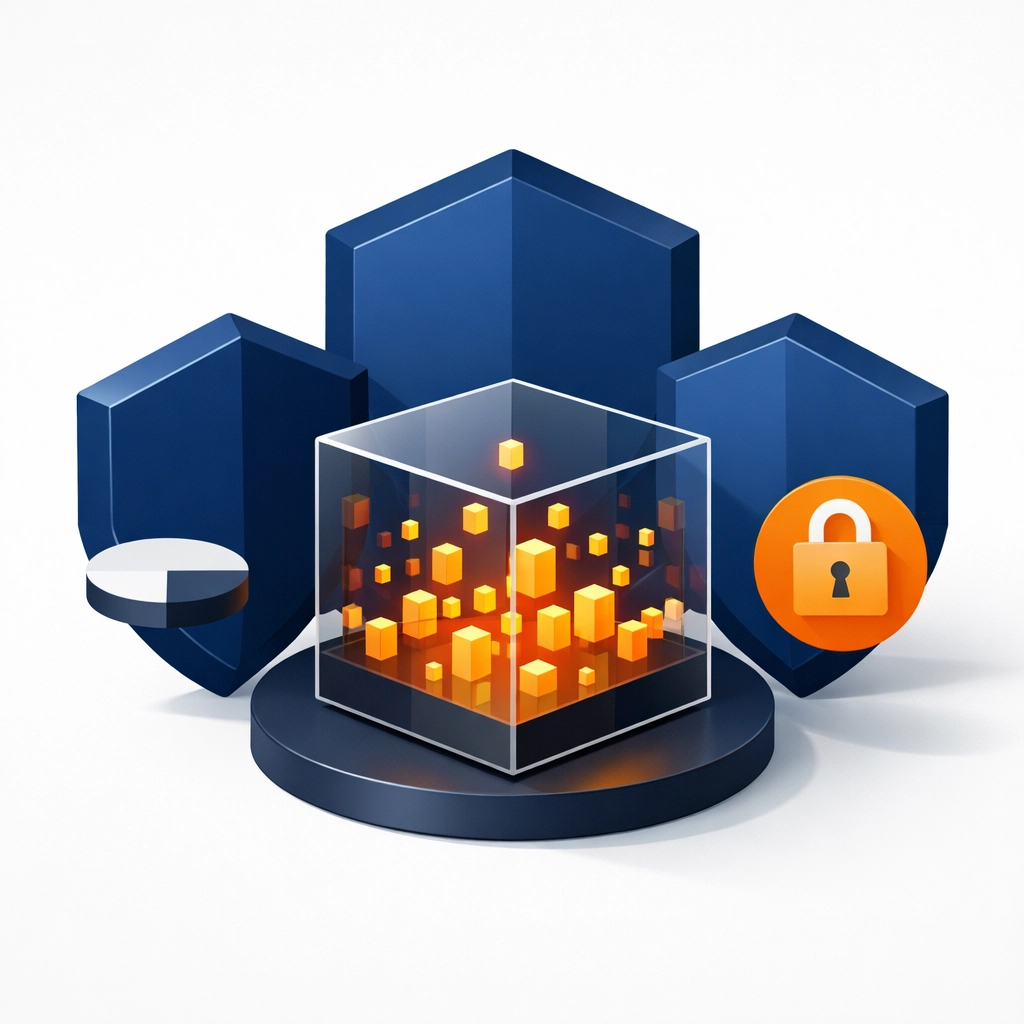
When you grow, your data becomes increasingly valuable: and increasingly sensitive. Multi-tenant SaaS platforms mean your business intelligence sits alongside everyone else's data, managed by processes you don't control.
Custom software gives you complete ownership. You decide where data is stored. You control access protocols. You design security architectures that meet your specific regulatory requirements and risk tolerance.
For enterprises handling sensitive customer data, intellectual property, or regulated information, this control isn't optional: it's essential. A mobile app development company that understands enterprise security can build these safeguards in from the foundation.
Integration That Actually Works
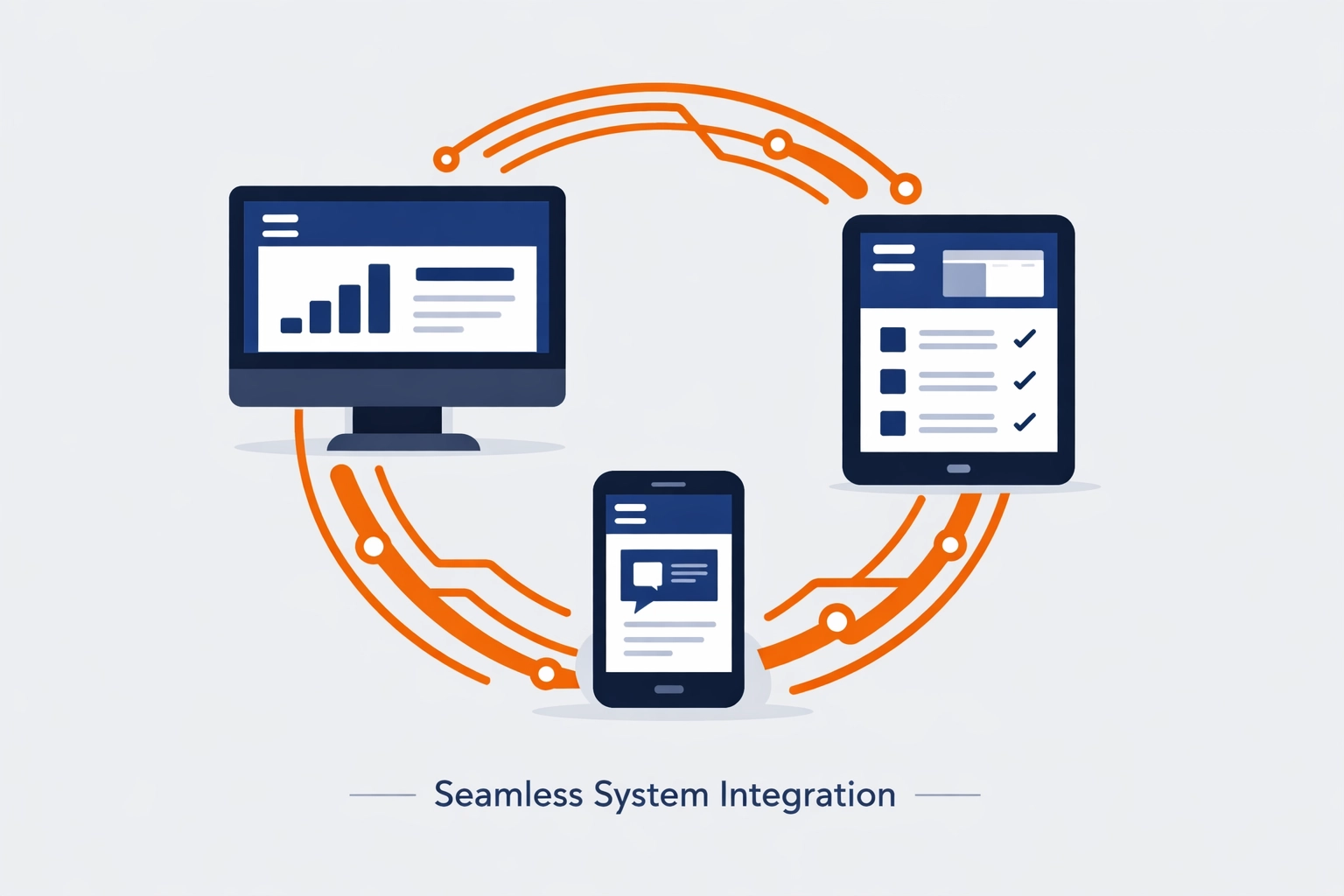
Your business runs on multiple systems: CRM, ERP, accounting software, industry-specific tools, legacy databases. Off-the-shelf software promises "seamless integration" through APIs: which usually means complex middleware, data sync issues, and constant maintenance.
Custom software integrates natively with your existing technology stack because it's designed specifically for that purpose. No data silos. No manual exports and imports. No hoping your vendors will eventually build the integration you desperately need.
This connectivity enables cross-departmental automation that transforms operations. Sales, operations, finance, and customer service work from unified data in real-time, making decisions faster and executing more effectively.
Making the Decision at the Right Time
So when does custom software make sense? Look for these signals:
You're regularly asking your current software to do things it can't. You're hiring people specifically to work around software limitations. Your monthly licensing costs are climbing faster than revenue. You're losing competitive opportunities because your technology can't keep pace.
If you're recognizing these patterns, you've likely already crossed the threshold where custom software delivers immediate ROI: not someday, but now.
The transition from startup to enterprise requires different capabilities. Your minimum viable product served its purpose, but sustained growth demands systems built for scale, built for integration, and built specifically for how your business operates.
Your Technology Should Scale as Ambitiously as Your Vision
Generic software works for generic businesses. But you didn't build a generic business: you built something unique that solves real problems for real customers.
Your technology should reflect that ambition. Bespoke software development isn't about perfection or building everything internally. It's about strategic advantage through systems designed around your specific needs, workflows, and growth trajectory.
The enterprises dominating their markets aren't doing it with the same software available to everyone else. They're leveraging custom platforms that make their operations faster, their customer experiences better, and their competitive positions stronger.
Your move from startup to enterprise deserves technology that moves with you. Technology that scales seamlessly, integrates naturally, and transforms operational capabilities into competitive advantages.
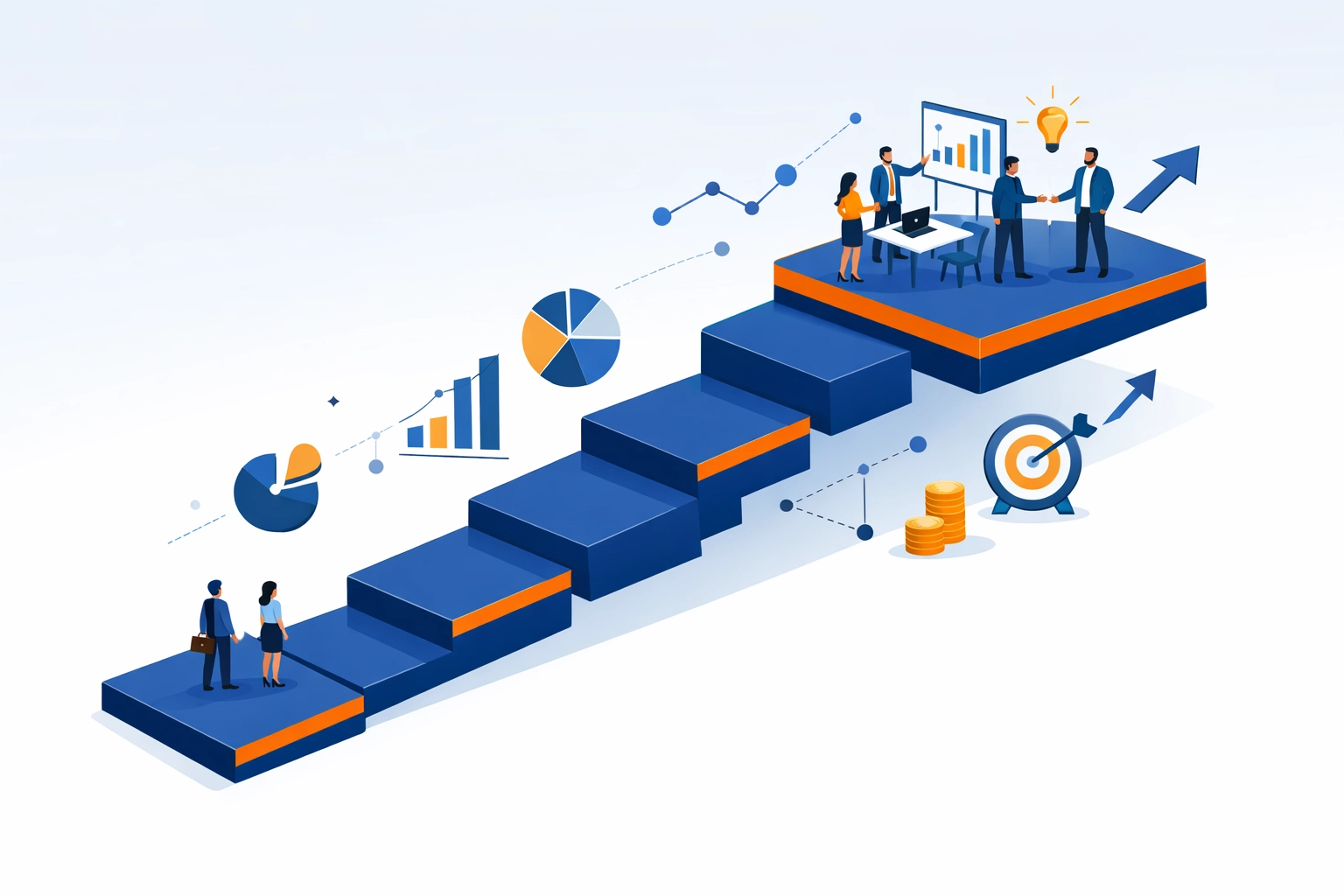
Ready to explore what scalable custom software could do for your business? Let's talk about where you're headed and how we can build the technology foundation to get you there.